Cone Rod Dystrophy Disease

Cone-Rod Dystrophy (CRD), also known as cone-rod degeneration, cone-rod retinal dystrophy, CORD, CRD, retinal cone-rod dystrophy, tapetoretinal degeneration, is a rare eye disorder that runs in families and affects the retina, the part of the eye that helps us see. CRD causes both cone cells, which help with color and sharp central vision, and rod cells, which allow us to see in low light and detect movement, to stop working over time. This leads to vision problems, such as difficulty seeing in bright light, loss of color vision, and, in some cases, severe vision loss or blindness. CRD can start in childhood or early adulthood, and the speed of vision loss differs from person to person. The disorder is genetic, meaning it can be passed down through families. While there is no cure yet, ongoing research aims to find better treatments. Learning about the causes, symptoms, and ways to manage CRD can help those affected cope with the challenges of this condition.
What is Cone-Rod Dystrophy?
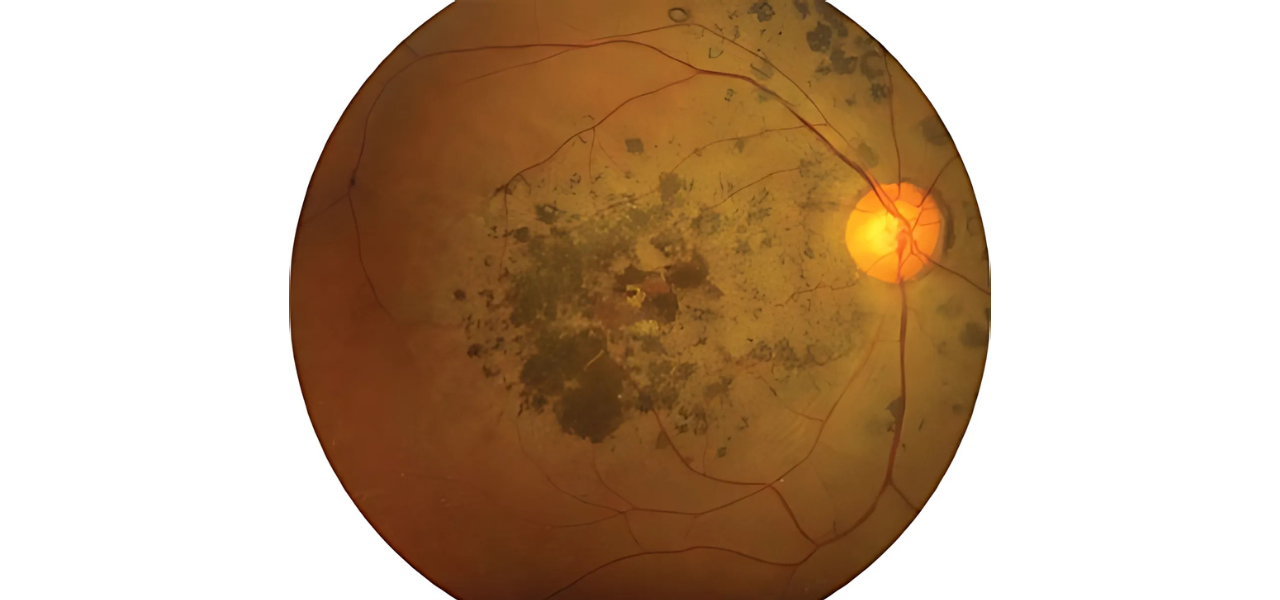
Cone-Rod Dystrophy (CRD) is a rare eye disorder that affects the retina, the part of the eye that detects light and sends signals to the brain to form images. In CRD, both cone cells, which help with color and clear central vision, and rod cells, which help with seeing in low light and peripheral vision, slowly break down. This leads to major vision loss over time.
What are Rods and Cones in the Eye
Rods and cones are two types of cells in the retina of the eye that help us see by detecting light. Rods help us see in low-light situations, like at night or in dim spaces. They are very sensitive to light but do not detect color. Rods are important for seeing things in the dark and for peripheral vision, which is what we see out of the corners of our eyes. What does a rod look like? A rod cell in the retina has a long, cylindrical shape, somewhat resembling a rod or a straight, elongated tube. This unique structure is what gives it its name.
Cones, on the other hand, allow us to see colors and fine details. They work best in bright light and are mostly found in the central part of the retina, called the macula. Cones are responsible for tasks that need sharp vision, such as reading or recognizing faces. While rods help us see in the dark, cones are important for clear, detailed vision in daylight.
Together, rods and cones allow us to see in a wide range of light conditions, from dark environments to bright, colorful ones.
When Do Symptoms of Cone Rod Dystrophy Occur?
Symptoms of Cone-Rod Dystrophy (CRD) can start at different times in life, usually in childhood or early adulthood. Some people might not notice signs until later. The first symptoms often come from problems with cone cells, which may cause trouble seeing in bright light, issues with color vision, and blurry central vision. As the condition gets worse, rod cells stop working well, leading to night blindness and a slow loss of peripheral vision. Over time, both central and peripheral vision can worsen, which may result in serious vision problems or even blindness.
The speed of vision loss and when symptoms appear can vary. Some people lose vision quickly, while for others, it happens more slowly over many years, depending on their genes.
Cone Dystrophy Symptoms
Cone dystrophy is a rare genetic eye condition that mainly affects the cone cells in the retina, causing gradual vision loss. The symptoms can differ, but generally include:
- Decreased central vision: People have trouble seeing details, reading, or recognizing faces because cone cells control sharp, central vision.
- Color vision problems: It becomes hard to tell certain colors apart, especially reds and greens. In severe cases, all color vision can be lost.
- Increased sensitivity to light (photophobia): Bright lights often cause discomfort or pain.
- Blurred vision: Over time, vision becomes less clear, especially in bright environments.
- Difficulty seeing in bright light: Bright light can make vision worse, even though low-light conditions are less troublesome.
- Progressive vision loss: Central vision tends to get worse over time, but peripheral vision usually stays unaffected at first.
Although cone dystrophy mostly affects the cone cells, it can also start to damage the rod cells, leading to symptoms like night blindness and loss of peripheral vision. The rate of vision loss varies, with some people experiencing gradual changes and others losing vision more quickly.
Cone Dystrophy Causes
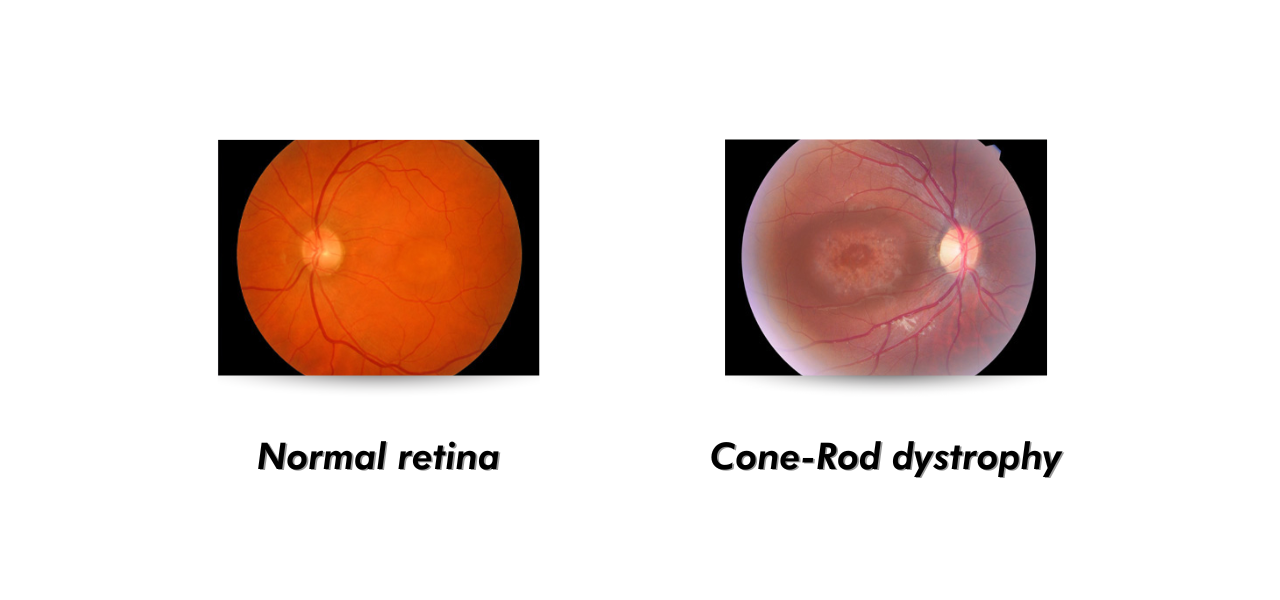
Cone dystrophy is mainly caused by genetic mutations that affect how cone cells in the retina work and develop. These mutations interfere with the normal function of cone cells, causing them to break down over time. Cone dystrophy can be passed down in different ways, including autosomal dominant, autosomal recessive, and X-linked inheritance.
Key Causes:
- Genetic mutations: The condition is linked to changes in certain genes that are important for cone cells to work properly. Some of the genes involved include ABCA4, CNGB3, and RHO.
Inheritance Patterns:
- Autosomal dominant: A child can develop the condition if they inherit one mutated gene from just one parent. Symptoms usually start earlier in life.
- Autosomal recessive: Both parents must carry the mutated gene for their child to be affected. In this case, symptoms usually start later and progress more slowly.
- X-linked: This pattern mostly affects males, as the gene is located on the X chromosome. Females can carry the gene and might have milder symptoms.
As the condition progresses, the mutations cause cone cells to gradually lose function. This leads to problems like losing color vision, blurry central vision, and increased sensitivity to light.
Genetics is the main cause of cone dystrophy, and the symptoms can differ depending on the specific gene mutation. Genetic testing can help identify the mutation, which is helpful for family planning and understanding how the disease might progress.
Personal insights on living with Cone-Rod Dystrophy — read the interview.
Cone Dystrophy Inheritance
Cone dystrophy is passed down through families in a few different ways, depending on the genes involved:
1. Autosomal Dominant:
- If one parent has cone dystrophy, they can pass it to their child. The child has a 50% chance of inheriting the condition. Only one copy of the affected gene is needed to cause the disease.
2. Autosomal Recessive:
- Both parents must carry the gene, but they usually don’t have symptoms themselves. If both parents pass the gene to their child, the child will have cone dystrophy. There’s a 25% chance of the child being affected if both parents are carriers.
3. X-Linked:
- This type mainly affects boys. The gene is carried on the X chromosome, which boys inherit from their mother. If a boy inherits the affected gene, he will have cone dystrophy. Girls can be carriers, but they usually have milder symptoms.
In short, cone dystrophy can be inherited in different ways, and genetic testing can help families understand how the condition might be passed on.
Cone Dystrophy Treatment
There is no cure for cone-rod dystrophy (CRD) right now, but there are ways to manage the symptoms and help people live better with the condition. Here are some simple treatment options:
1. Low Vision Aids:
Special devices like magnifying glasses or large-print books can help people with CRD see better for tasks like reading or using computers.
Explore our curated list of the best assistive devices for the blind and upgrade your daily routine today.
2. Gene Therapy:
For some people with specific gene mutations, there are treatments like Luxturna that can help improve vision. More gene therapies are being researched, but they’re not available for everyone yet.
3. Retinal Implants:
Scientists are working on devices that might be implanted in the eye to help restore some vision, but these are still in experimental stages.
4. Nutritional Supplements:
Doctors sometimes recommend vitamins (like Vitamin A and omega-3 fatty acids) that could help support eye health, though it’s not proven to stop the disease.
5. Light Sensitivity Protection:
People with CRD are often sensitive to bright lights, so wearing sunglasses or special tinted glasses can reduce discomfort and protect the eyes from sunlight.
6. Lifestyle Changes:
Improving lighting at home, using voice commands on devices, and adjusting settings to high contrast can make daily life easier for those with vision loss.
7. Clinical Trials:
Some people participate in research trials to try new treatments being tested, like gene therapy or stem cell therapy. This could lead to better treatments in the future.
8. Emotional Support:
Living with vision loss can be hard, so talking to a counselor or joining a support group can help people cope emotionally and stay connected with others facing similar challenges.
In short, while CRD can’t be cured, there are many ways to manage the symptoms and improve the quality of life for people with the condition.
Navigating Life with Cone-Rod Dystrophy
Cone-Rod Dystrophy (CRD) is a difficult condition that causes vision loss over time, affecting both central and peripheral vision. While there is no cure yet, understanding the symptoms and how CRD is passed down in families can help people manage the condition better. Early diagnosis and using tools like low vision aids, and making changes to daily life can help improve quality of life. Research on gene therapy and other treatments offers hope for the future, with the possibility of slowing down or even stopping the vision loss. Staying informed and getting support from doctors and patient groups can help people with CRD handle the challenges and stay independent for as long as possible.