Strabismus: Causes, Types, and Treatment

Strabismus is a disorder of binocular vision in which the eyes are not simultaneously directed at a single point. This condition can occur in both children and adults, affecting depth perception, binocular vision, and sometimes causing cosmetic discomfort. Modern diagnostic and treatment methods allow for effective correction of strabismus, restoration of visual functions, and the maintenance of a normal life.
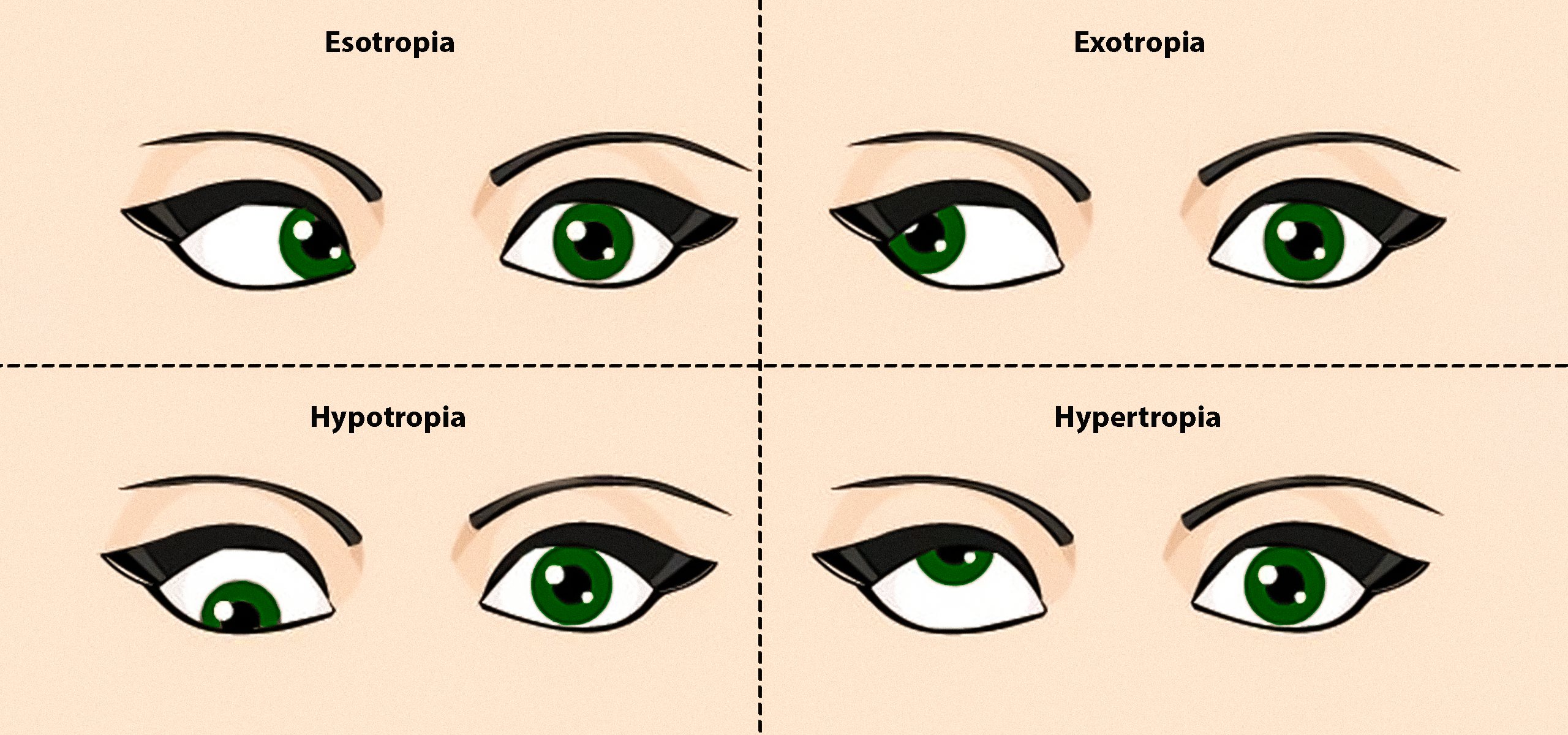
Causes of Strabismus
Strabismus can develop for many reasons, which are divided into congenital and acquired causes. Congenital factors are often related to genetics and anatomical features of the eyes, while acquired causes arise from injuries, diseases, or visual impairments. Understanding these causes helps in proper diagnosis and choosing the most suitable treatment method.
Congenital and Genetic Factors
- Abnormal development and attachment of the extraocular muscles.
- Congenital differences in the anatomical structure of the eyes.
- Genetic predisposition, when strabismus occurs in the parents.
Acquired Factors
- Moderate and high degrees of ametropia: farsightedness, nearsightedness, astigmatism.
- Sudden decrease in visual acuity of one eye.
- Eye or head injuries.
- Paralysis and paresis of the eye muscles.
- Diseases of the central nervous system: cerebral palsy, hydrocephalus, stroke, multiple sclerosis, brain tumors, traumatic brain injury.
- Infectious diseases: measles, scarlet fever, diphtheria, influenza.
- Somatic diseases and stress.
- Psychological trauma, fright, toxicosis, and poisoning.
Why Strabismus Develops in Children
In children, strabismus is often associated with ametropia, when the eyes are forced to excessively strain accommodation, leading to convergent or divergent strabismus. Lack of timely correction can result in the development of amblyopia and decreased vision in the “lazy” eye.
Symptoms of Strabismus
Misalignment of the Eyes
- One eye deviates inward, outward, upward, or downward.
- Alternating strabismus (concomitant), where sometimes one eye and sometimes the other turns.
Disruption of Binocular Vision
- In strabismus, the image from one eye is suppressed by the central nervous system to avoid double vision.
- Loss of stereoscopic perception: difficulty determining distances and the volume of objects.
Additional Signs
- Headaches and rapid eye fatigue during visual tasks.
- Double vision in paralytic strabismus.
- Forced tilting of the head toward the healthy eye.
Types of Strabismus
By Origin
- Concomitant: both eyes turn alternately, deviation is approximately equal. Often associated with ametropia.
- Paralytic: limited movement of one eye due to muscle or nerve damage, accompanied by double vision.
By Direction of Deviation
- Convergent: the eye is directed toward the nose, often seen in farsightedness.
- Divergent: the eye is directed toward the temple, often seen in nearsightedness.
- Vertical: the eye deviates upward or downward.
- Mixed: a combination of different positions.
By Other Criteria
- Time of onset: congenital or acquired.
- Stability of deviation: constant or intermittent.
- Eye involvement: unilateral (monolateral) or alternating (alternating).
Diagnosis of Strabismus
- Ophthalmologist examination: assessment of eye alignment, refraction, and pupil reactions.
- Binocular vision tests: determine the degree of stereoscopic vision impairment.
- Computerized methods: photometry, videography, precise measurement of the strabismus angle.
Treatment of Strabismus
Treatment of strabismus aims to restore normal eye alignment, improve binocular vision, and correct visual functions. The choice of method depends on the type of strabismus, its causes, and the patient’s age, and may include conservative approaches, surgical intervention, and modern technologies.
Conservative Treatment
- Optical correction: glasses, soft contact lenses.
- Treatment of amblyopia: device-based procedures to improve visual acuity.
- Orthoptic and diploptic therapy: development of binocular vision and reinforcement of results.
Surgical Treatment
- Surgery aims to strengthen or weaken an eye muscle to align the eyes.
- It can be performed on one or both eyes, often as an “outpatient” procedure under local anesthesia.
- After surgery, a course of device-based therapy is recommended for optimal visual recovery.
Modern Approaches
- Use of botulinum toxin for temporary correction of overactive muscles.
- Laser and computer systems for training eye coordination.
Conclusion
Strabismus is not a sentence. Modern ophthalmology offers many correction methods that allow for the restoration of eye appearance and visual functions. People with strabismus lead active lives and achieve success in their careers and creative endeavors. Among well-known personalities with strabismus are actor Elijah Wood, singer Melanie Griffith, and actor John Rhys-Davies. Timely treatment, vision correction, and surgical assistance make life with strabismus full and allow a person to see the world in its bright colors and interact fully with others.